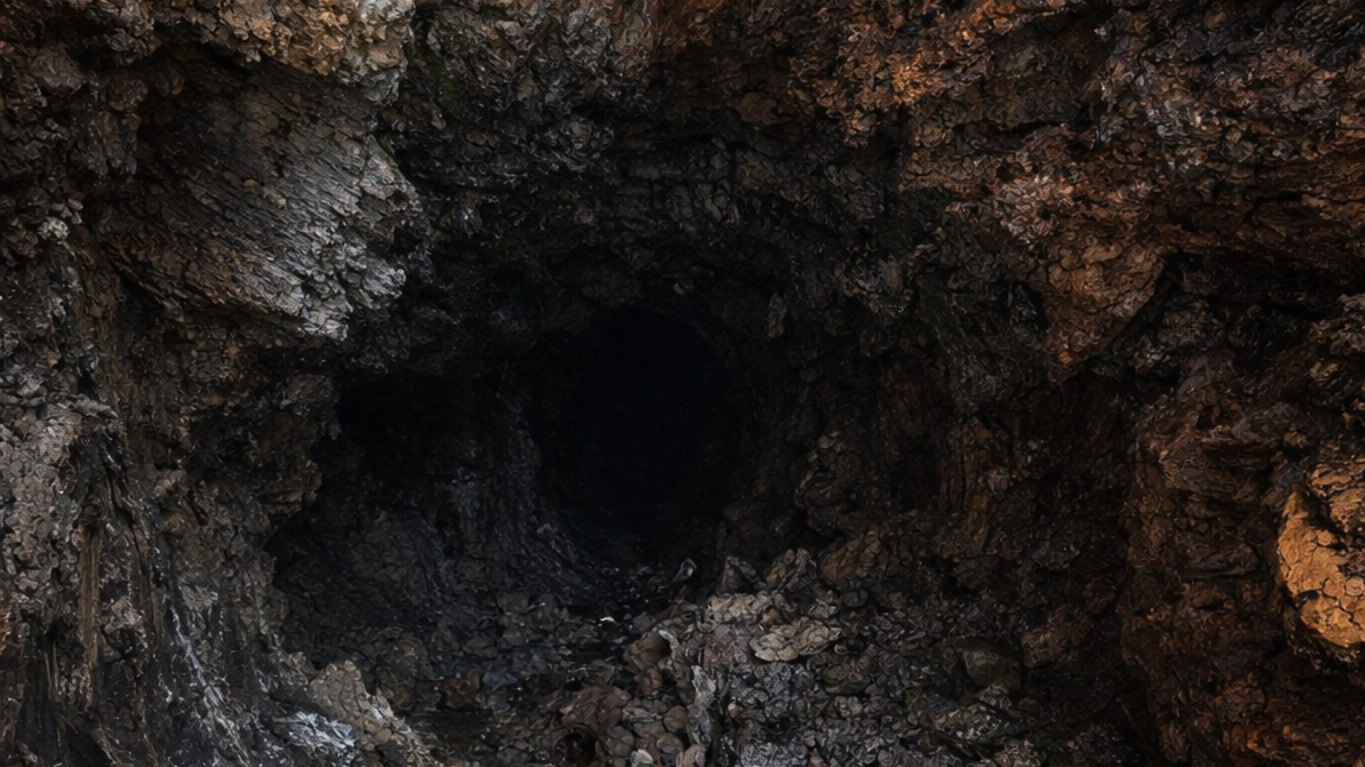
A viral video shared by the Instagram account @yogyakartakeras shows the process of cutting down a large tree in Yogyakarta. Although the tree appeared strong and healthy from the outside, it was discovered to have a hollow and fragile interior once cut. This incident raised public concern about the hidden risks posed by trees that look stable externally but are structurally weak inside.
The video highlights how internal decay, cavities, or damage can go unnoticed without proper inspection. Common early signs of tree damage—such as small cracks, changes in bark texture, the presence of fungi, or sawdust—are often overlooked. As a result, trees may become hazardous, especially during strong winds or extreme weather.
This case emphasizes the importance of thoroughly assessing a tree’s internal condition before deciding on removal. The trunk plays a crucial role in maintaining a tree’s strength and stability, and hidden damage can significantly increase the risk of sudden collapse.
As a solution, advanced technologies like Arbosonics can be used to detect internal defects without cutting the tree. Using acoustic sensors, this technology can identify cavities, decay, and structural weaknesses, providing accurate data about the tree’s internal condition.
Overall, this incident highlights the need for better evaluation and monitoring systems focused on safety. The use of modern inspection tools can help authorities make informed decisions, prevent accidents, and ensure proper tree management in urban environments.