Deployment of Automatic Water Level Monitoring Systems for Flood Control and Water Resource Management
Enabling Real-Time Water Level Detection to Support Early Warning Systems and Environmental Analysis
Executive Summary
In many regions, water levels can rise abruptly due to high-intensity rainfall or upstream discharge. Without proper monitoring, flood risks increase and water resource planning becomes unreliable. The integration of automated sensors and data loggers addresses these challenges by delivering real-time, high-precision water level data for operational safety and environmental compliance

The Challenge
- !
Product Installation
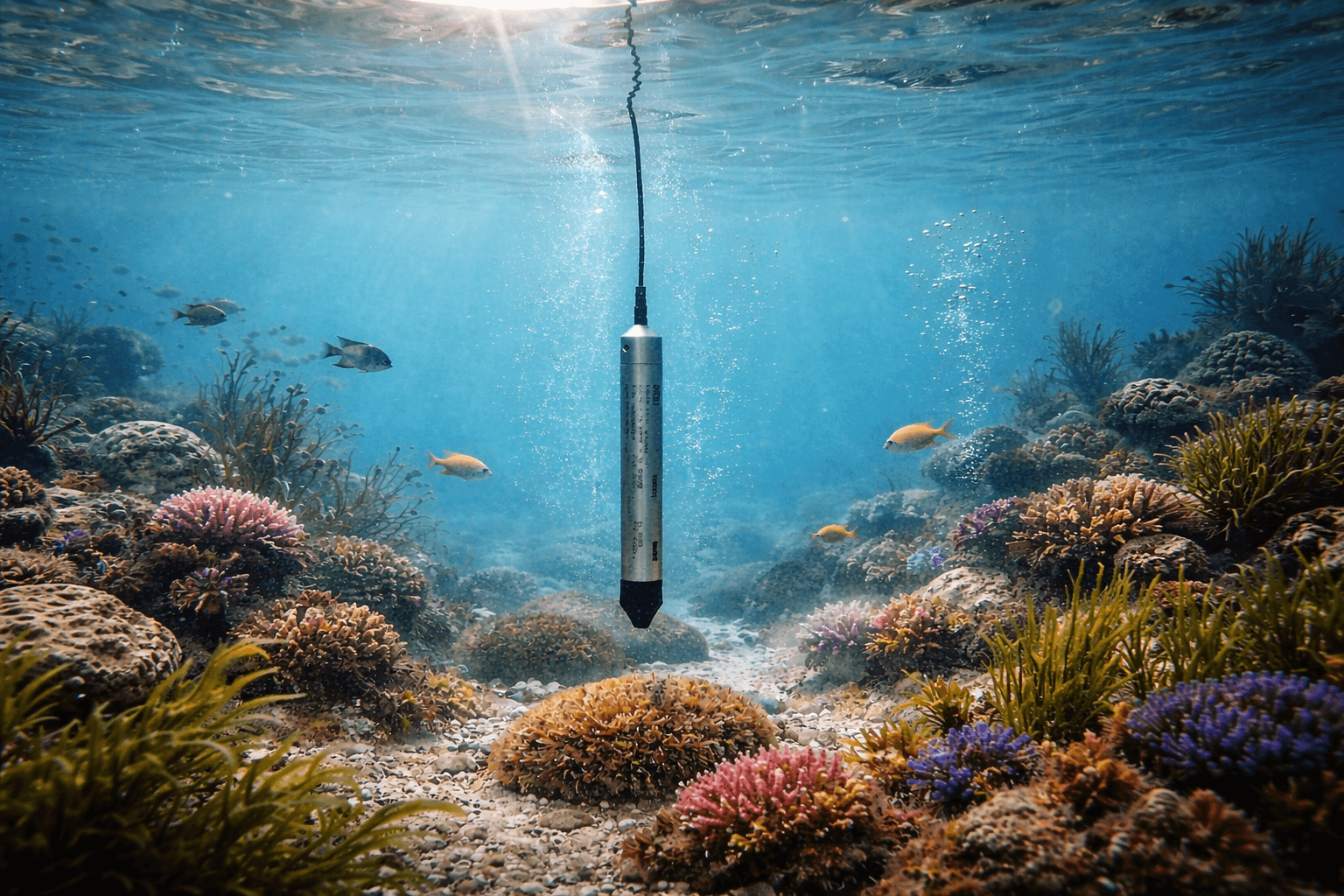
Uncontrolled water level fluctuations can lead to critical risks such as flash floods, dam overtopping, groundwater depletion, and coastal inundation. Manual measurements are often infrequent and labor-intensive, limiting the ability to detect rapid changes. Automatic water level monitoring devices—like the HOBO 100 Foot Depth Water Level Data Logger—use pressure sensors to measure depth up to 30 meters with high accuracy. These devices record water level and temperature at set intervals, store data internally, and enable continuous monitoring without manual intervention.
Strategic Approach
- 1
Site selection across key locations: rivers, reservoirs, groundwater wells, lakes, and coastal areas.
- 2
Installation of water level data loggers secured at fixed reference points (e.g., bridge piers, well casings, or stilling wells).
- 3
Configuration of recording intervals (e.g., every 5 minutes, hourly, or daily) based on monitoring objectives.
- 4
Deployment over a typical installation period of 1–2 days per site, depending on accessibility and mounting requirements.
- 5
Post-installation calibration and validation against manual measurements to ensure data accuracy.
Business Impact