Maintaining Tree Trunk Health for Structural Integrity and Long-Term Ecological Benefits
Preventing Decay, Pest Infestation, and Mechanical Damage Through Routine Care and Non-Destructive Assessment
Executive Summary
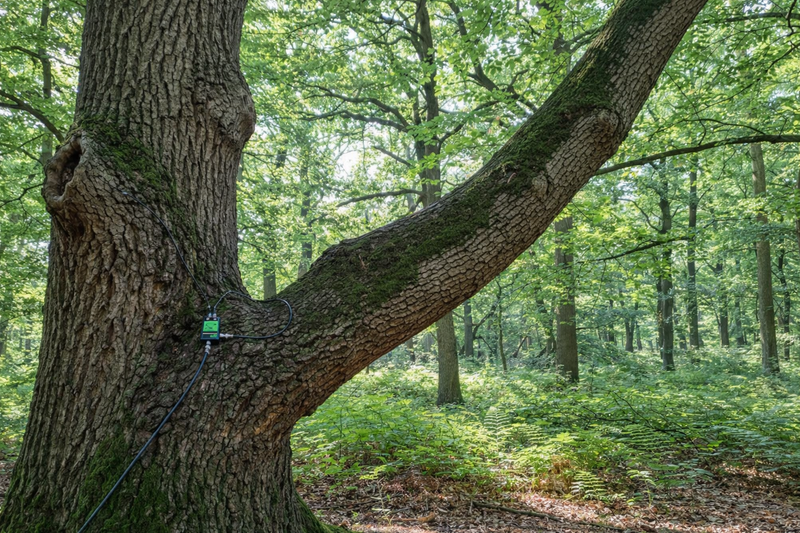
A healthy tree trunk is characterized by an intact surface, no cracks, and freedom from fungi or pest attacks. Bark color is uniform according to the species, with no excessive exudate indicating infection. The trunk structure feels solid and not brittle. A healthy trunk properly supports branches and leaves, with balanced branch growth and no sudden dieback. However, factors such as poor soil quality, insufficient water, mechanical injuries from human activities, and attacks by insects or fungi can compromise trunk health. Without routine inspection, internal decay may go unnoticed until the tree becomes unstable or falls, posing risks to people and property.
The Challenge
- !
ArborSonic Non-Destructive Trunk Health Assessment
Maintaining tree trunk health provides positive impacts on tree growth and the surrounding environment. A well-maintained trunk supports optimal tree function over the long term. Routine trunk care, such as cleaning the area around the trunk and providing protection from impacts, helps trees last longer. Healthy trunks also support stable and sustainable growth. Using acoustic tomography technology enables accurate monitoring of trunk conditions so potential damage can be detected early, allowing preventive measures before the tree's condition worsens and causes negative environmental impacts.
Strategic Approach
- 1
Visual inspection of trunk surface for cracks, oozing, fungal fruiting bodies, and bark abnormalities.
- 2
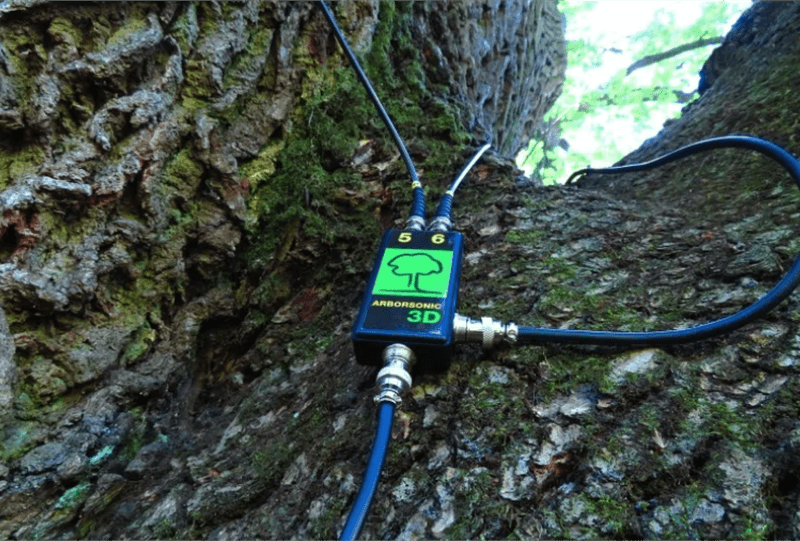
Non-destructive testing using ArborSonic 3D Acoustic Tomograph to measure sound wave velocity through the trunk.
- 3
Generation of 2D/3D tomographic images to map internal density variations and identify decay, hollowness, or cracks.
- 4
Data interpretation by certified arborists to assess structural risk level.
- 5
Recommendation of interventions: cabling, pruning, targeted treatment, or if necessary, removal based on objective data.
- 6
Scheduling of periodic re-assessment to monitor changes over time.
Business Impact