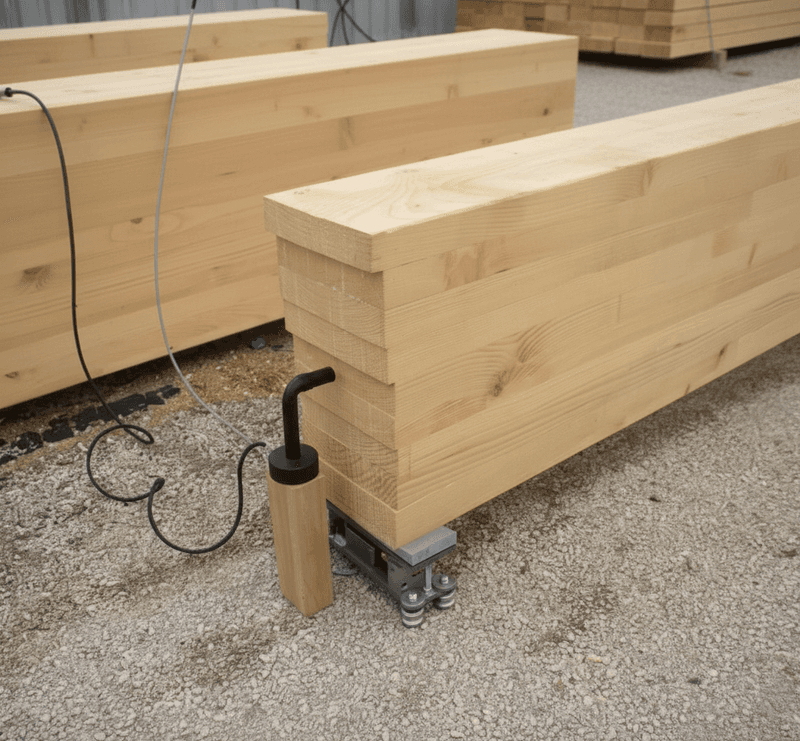
Wood Hardness Tester: Fast, Accurate, and Portable Solution for Quality Control in the Timber Industry
Ensuring Structural Integrity and Surface Durability for Construction, Furniture, and Export-Grade Lumber
Executive Summary
Wood that is too soft is prone to scratches, cracks, and faster damage. Conversely, wood that is too hard can complicate processing. Hardness testing helps guarantee product quality before entering further production stages. On an industrial scale, this testing also helps avoid losses from using materials that do not meet specifications. With a Wood Hardness Tester, material selection becomes more objective and standardized. For large-scale production, speed is critical—tools like the Portable Lumber Grader can perform measurements in approximately 1 second per piece, supporting high throughput. It also complies with EN-338 standards, making classification results accepted in European markets.
The Challenge
- !
Portable Lumber Grader and Wood Hardness Tester Deployment for Lumber Mills and Field Inspection
Hardness testing helps guarantee product quality before production. Wood Hardness Testers measure hardness or strength of wood to determine suitability for applications such as building construction, wood flooring, or furniture production. Measurement results are expressed in specific units depending on the testing method. The data helps engineers, manufacturers, and timber entrepreneurs make more accurate, data-driven decisions. In construction, structural wood must meet specific strength standards—testers verify load-bearing capacity. For furniture and flooring, surface hardness affects scratch and impact resistance. Export companies use hardness testers for grading before international shipment, ensuring compliance with destination country standards.
Strategic Approach
- 1
Select a device that supports testing on the specific wood types you will use, whether hardwood or softwood. For industries handling multiple wood types simultaneously, choose a flexible tool like Portable Lumber Grader that covers both broadleaf and conifer woods.
- 2
For large-scale industrial production, choose a device that can perform measurements in a short time without sacrificing accuracy. Portable Lumber Graders take only about 1 second per piece, ideal for high-throughput production lines.
- 3
If testing is conducted at multiple locations or in the field, prioritize lightweight devices that are easy to carry and require no special infrastructure. Portable Lumber Graders are designed for field use, suitable for surveyors, timber inspectors, or professionals working outside laboratories.
- 4
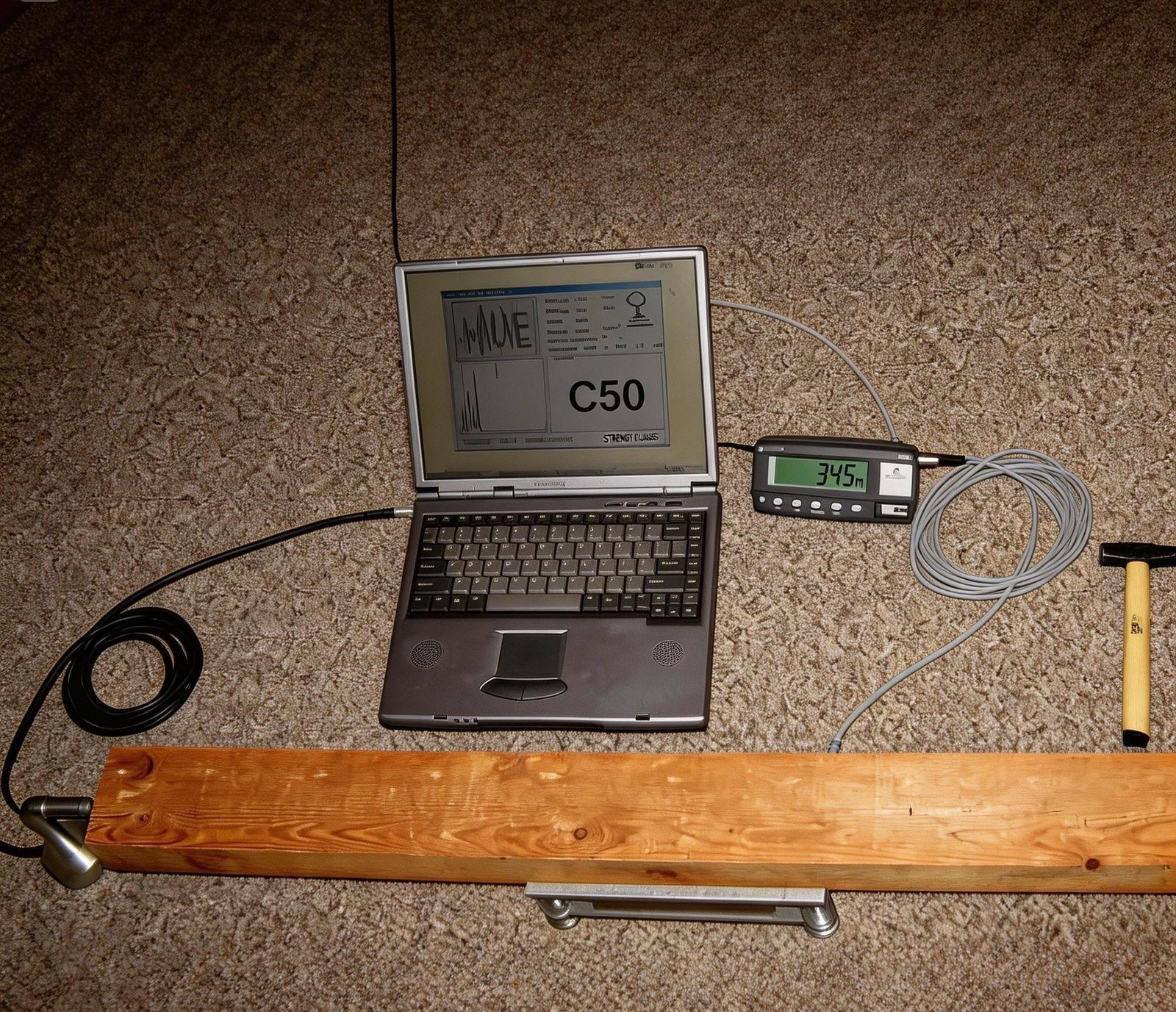
Before purchasing, examine technical details such as weighing capacity (e.g., 30-500 kg), microphone frequency range (e.g., 100-15,000 Hz), operating temperature (e.g., 5-40°C), and data output type to ensure optimal performance in your working environment.
- 5
Place the wood sample on the tester, activate the measurement cycle (approximately 1 second), and record the hardness value. Use the results to verify that the wood meets required standards for structural, flooring, furniture, or export applications.
Business Impact