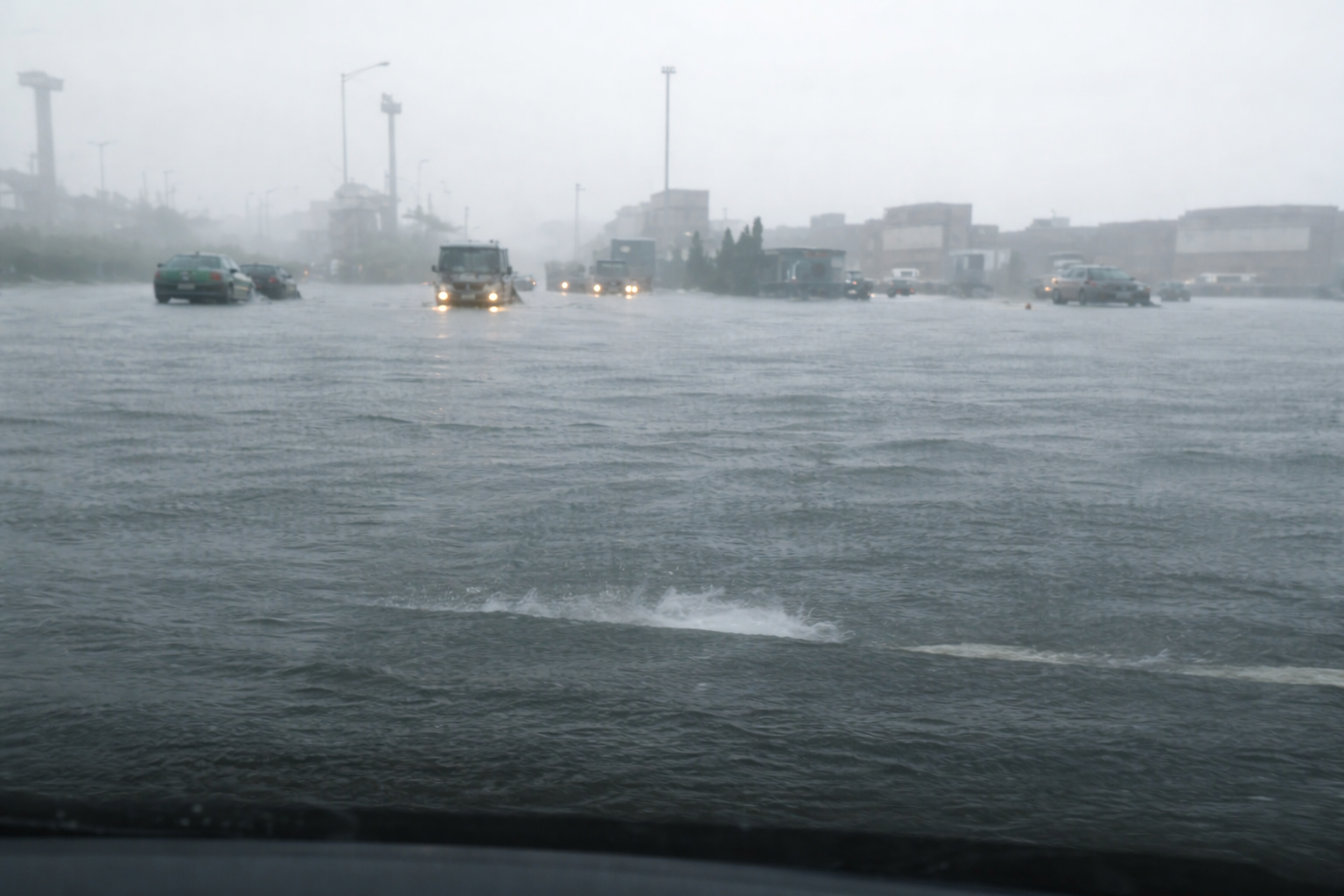
Heavy rainfall that hit Jakarta from Sunday night (January 11) to Monday morning (January 12) caused flooding in multiple areas across the city. Water levels exceeded 50 cm in several locations, including Warung Buncit in South Jakarta, disrupting traffic and causing severe congestion. Flooding also affected major roads such as Kembang Utara, Cilincing, Daan Mogot, and Cempaka Putih, where vehicles were unable to pass normally, leading to long traffic jams and even engine failures in motorcycles.
Residential areas were also impacted, particularly in Cilincing, North Jakarta, where floodwaters submerged neighborhood roads and limited residents’ mobility. Many people were forced to stay indoors as water levels remained high and had not fully receded by morning.
According to Badan Meteorologi, Klimatologi, dan Geofisika, the heavy rainfall was influenced by the strengthening of the Asian monsoon, which increased wind speeds from the South China Sea toward the Java Sea, triggering intense rain clouds over Java, Bali, and Nusa Tenggara. The agency stated that moderate to heavy rainfall is expected to continue through mid-January and possibly into February.
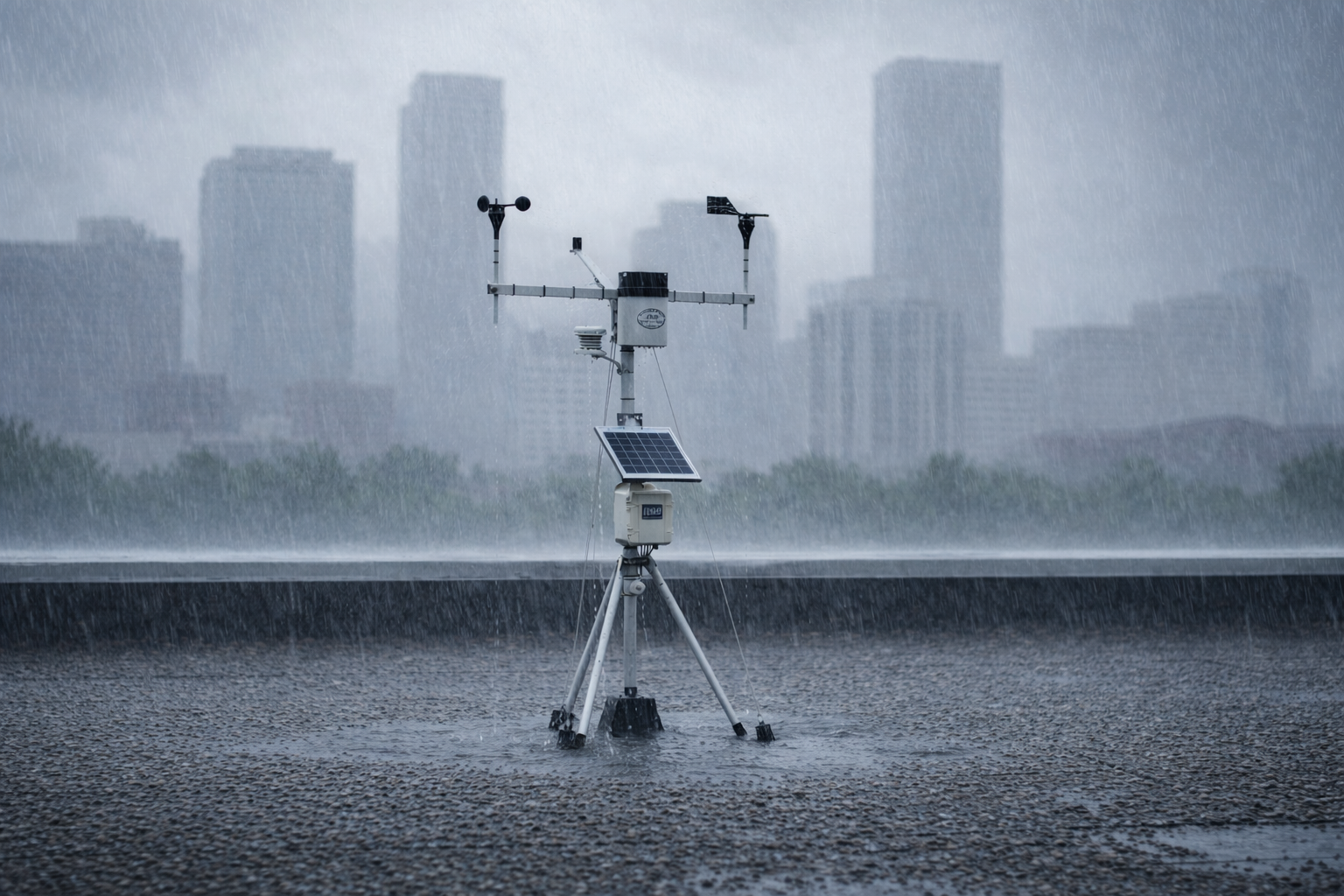
This situation highlights the importance of accurate and continuous rainfall monitoring. Technologies such as rain gauge data loggers can record rainfall intensity and accumulation in real time, helping authorities better predict and respond to flood risks. By integrating such tools with early warnings from BMKG, more effective disaster preparedness and response strategies can be implemented.